
How to Improve Hotel Operations in 2025: Data-Backed Strategies


When guests come to stay in a hotel, they expect things to run smoothly, like a well-oiled machine. Particularly now, when guests have more choice than ever as to where they want to stay, hotel teams that make consistent mistakes are likely to lose guests to their competition.
When addressing these issues, it can be tempting to jump to KPIs, results, and wanting teams to achieve new targets. However, while it’s good to have targets, often the best way to enact change is by looking at your processes and systems. By doing this, the results come as a by-product.
In hotel management, improving processes can help with everything from reducing turnover and improving guest experiences to saving time and cutting costs.
This guide:
- Fully answers the question of how to improve hotel operations
- Covers some of the biggest operational challenges hotels face
- Addresses how better hotel operations can improve overall performance
The changing dynamics of hotel operations
The hospitality industry is undergoing a transformation driven by technology, workforce expectations, and the demand for sustainable practices.
Key hospitality trends include:
- Increased technology adoption
Contactless check-ins, digital tipping apps, and automated scheduling are becoming standard. - Focus on staff well-being
Hotels are investing in employee-centric policies to combat high turnover rates. - Sustainability as an operational priority
Guests increasingly prefer eco-friendly hotels, pushing operations to be both cost-effective and sustainable.
The biggest hotel operation challenges today
Running a hotel is more complex than ever. Guest expectations are rising, labor shortages are persistent, and margins are tight.
The most common operational challenges hotels face include:
- High employee turnover
With annual hospitality turnover rates topping 70%, hotels are struggling to retain trained staff and deliver consistent service. - Manual processes
Cash-based tipping, paper checklists, and disconnected systems eat up management’s time and lead to errors. - Staffing fluctuations
Matching labor to unpredictable occupancy patterns leads to understaffed shifts or bloated payroll. - Guest expectations
Travelers expect seamless experiences, like mobile check-in, contactless payments, and easy ways to tip staff. Meeting these expectations requires the right tools. - Sustainability pressures
Guests want an eco-friendly stay, but implementing sustainable practices without increasing costs is a balancing act.
10 ways to improve hotel operations
Improving hotel operations comes down to adopting practices that actually work. The right strategies make daily tasks simpler for staff while also elevating the guest experience.
Here are 10 data-backed strategies any hotel can apply today:
1. Leverage data insights to boost hotel efficiency
In 2025, data is the key to smarter decision-making. Real-time dashboards and analytics give hotel managers immediate insights into performance metrics, staffing trends, and guest feedback.
How data drives efficiency:
- Optimize staffing: Predict busy periods and adjust schedules to prevent overstaffing or understaffing.
- Improve service delivery: Identify peak tipping hours to understand when guest satisfaction is highest.
- Track employee performance: Use data to recognize top performers and address areas that need improvement.
2. Streamline administrative tasks with technology
Manual administrative tasks — like tip allocation, payroll, and compliance reporting — can drain valuable time and resources. Automating these processes improves hotel efficiency by reducing errors and freeing up staff to focus on guest interactions.
Benefits of automation:
- Accurate tip distribution: Digital tools automatically allocate tips based on performance or hours worked.
- Simplified payroll: Integrated systems ensure seamless compliance with tax and labor laws.
- Time savings: Managers spend less time on paperwork and more time on strategic initiatives.

3. Focus on sustainability for long-term growth
Operational efficiency isn’t just about cutting costs — it’s also about creating sustainable business practices. Eco-friendly operations appeal to environmentally conscious guests while reducing expenses.
Sustainable practices to improve performance:
- Go paperless: Use digital platforms for tipping, payroll, and scheduling.
- Energy efficiency: Implement smart systems to monitor energy consumption and reduce waste.
- Sustainable procurement: Source eco-friendly products to align with guest expectations.
4. Improve front office efficiency
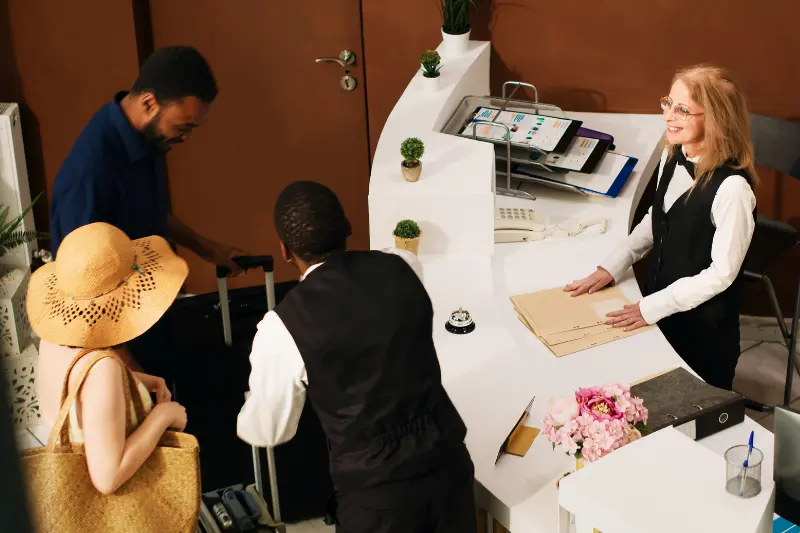
The front desk is the heartbeat of your hotel. Long lines to check-in or slow responses to guest requests leave a lasting negative impression.
Ways to improve front office hotel operations:
- Adopt mobile check-in and digital key systems to reduce lobby congestion.
- Use a guest messaging app to answer questions in real time.
- Train staff to follow the “10/5 rule” (eye contact at 10 feet, greeting at 5 feet) to humanize service.
A smoother front office flow not only reduces guest frustration but also frees staff to provide more personalized service.
5. Strengthen staff communication and training
Breakdowns in communication create bottlenecks: rooms aren’t ready on time, check-ins get delayed, and guest satisfaction drops. By improving how staff communicate, you’ll keep workflows moving and reduce costly mistakes.
Operational strategies to improve communication:
- Centralized systems: Use property-wide dashboards or mobile apps so every department works from the same real-time updates.
- Cross-training with purpose: Train staff to handle multiple roles, making scheduling more flexible and reducing downtime when coverage is thin.
- Standardized protocols: Build clear escalation paths so issues are solved quickly instead of bouncing between departments.

6. Reduce turnover with operational retention strategies
High staff turnover disrupts daily operations, drives up training costs, and lowers service consistency. Building retention into your operations makes the whole system more stable.
Operational ways to support retention:
- Smarter scheduling: Use forecasting tools to align labor with demand, giving staff predictable hours and reducing burnout.
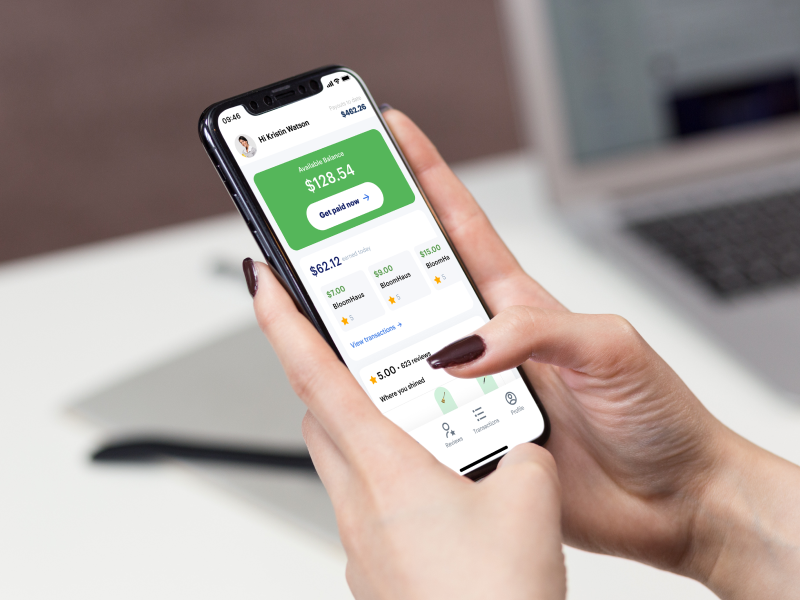
- Streamlined payouts: Digital tipping ensures employees get paid quickly and fairly, cutting down on frustration with delayed earnings.
- Ongoing training built into shifts: Short, regular micro-trainings improve performance without pulling teams off the floor.
7. Optimize housekeeping operations
Housekeeping isn’t just tasked with making sure rooms are clean — their job is to turn over rooms quickly and consistently without burning out.
Since this department represents one of the largest labor costs, efficiency gains here ripple across the entire hotel.
How to improve housekeeping operations:
- Digitize task management: Replace paper assignments with mobile apps that update room status in real time, so front desk and housekeeping stay in sync.
- Standardize workflows: Develop consistent cleaning protocols to reduce variability and speed up training for new hires.
- Leverage data: Use occupancy forecasts to plan shifts and avoid both idle hours and rushed turnovers.

8. Enhance guest feedback loops
Feedback shouldn’t only come after a guest leaves. Feedback should actively inform operations while they’re still onsite. Too often, small issues become negative reviews simply because they weren’t addressed in time.
Ways to improve feedback systems:
- In-stay surveys: Push short, automated digital check-ins during the stay (e.g., after the first night) to catch problems early.
- Integrate feedback dashboards: Feed survey and review data into one system so you can spot trends across departments.
- Tie recognition to feedback: Highlight positive mentions in staff meetings to reinforce good performance.
9. Reduce costs with energy-efficient operations
Energy efficiency is no longer just a sustainability initiative but a crucial lever for operational performance. Utilities tend to rank among a hotel’s top three expenses, so efficiency means direct cost savings.
Efficiency-focused practices include:
- Smart building systems: Automate heating, cooling, and lighting to respond to occupancy and avoid energy waste.
- Data-driven monitoring: Track usage patterns to identify outliers, such as rooms consistently using more energy than average.
- Operational integration: Align housekeeping and maintenance schedules with energy management systems (for example, cleaning empty floors together to shut off HVAC zones).
10. Use a digital tipping solution to streamline payroll and improve staff satisfaction
Handling cash tips sounds simple, but it usually creates more problems than it solves — counting bills at the end of every shift, chasing down who gets what, waiting days (or weeks) for payouts, and worrying about compliance. It’s slow, messy, and stressful for both managers and staff.
Digital tipping clears all that up.
Instead of dealing with envelopes of cash, tips flow through a system that:
- Distributes tips automatically. There’s no manual math or post-shift counting.
- Connects to payroll. This makes reporting and compliance painless.
- Pays out instantly. Staff can get their earnings right away, which keeps morale high and turnover lower.
How can better operations improve hotel performance?
So how can smoother operations ultimately improve your hotel’s performance?
Of course this will vary from one hotel to the next, but there are some fundamentals that will ring true for most properties.
Happier staff means more consistent service quality
Happy employees are the cornerstone of exceptional guest experiences. Staff who feel valued and supported are more motivated to deliver attentive, friendly service, which leads to positive reviews and repeat business. Building an employee-centric culture will help your team feel valued, but will also benefit guests and the broader business.
Key strategies:
- Fair compensation: Implement transparent tipping systems that ensure staff receive timely payouts.
- Growth opportunities: Offer training, career development, and clear pathways for advancement.
- Work-life balance: Flexible scheduling reduces burnout and fosters long-term retention.
Pro tip: Digital tipping platforms like eTip make it easy for staff to track their earnings in real-time, boosting morale and reducing financial stress. Transparent tip distribution builds trust between management and employees, contributing to a more motivated workforce.
Operational excellence improves the guest experience
Guest satisfaction is directly linked to operational efficiency. When hotel operations run smoothly, staff can focus on delivering personalized service. This is fundamental to improving guest satisfaction and securing repeat visits.
Strategies to enhance the guest experience:
- Efficient check-ins and check-outs: Reduce wait times through mobile technology.
- Cashless tipping options: Guests can easily show appreciation without the need for physical cash, improving convenience.
- Consistent service: Well-trained, happy employees create memorable guest experiences that encourage loyalty.
Research from Cornell’s Center for Hospitality Research showed that for every point increase in guest satisfaction score (measured on a scale from 0 to 100), there was an estimated increase in revenue of $10 million per year.
Final thoughts
So let’s recap: how do you improve hotel operations?
The answer clearly lies in adopting modern technology, focusing on employee well-being, and using data to drive smarter decisions.
Operational efficiency is the key to reducing costs, improving guest satisfaction, and creating a thriving hospitality business.
Digital tools like eTip play a crucial role in this transformation, offering real-time insights, streamlined processes, and transparent systems that benefit both staff and guests.

Join the eTip community!
We'll send the latest content & special releases directly to your inbox.
Ready to join the community?
Receive the latest & greatest content from eTip, sent directly to your preferred inbox!